Human Molecular Colonisation Capacity
2012
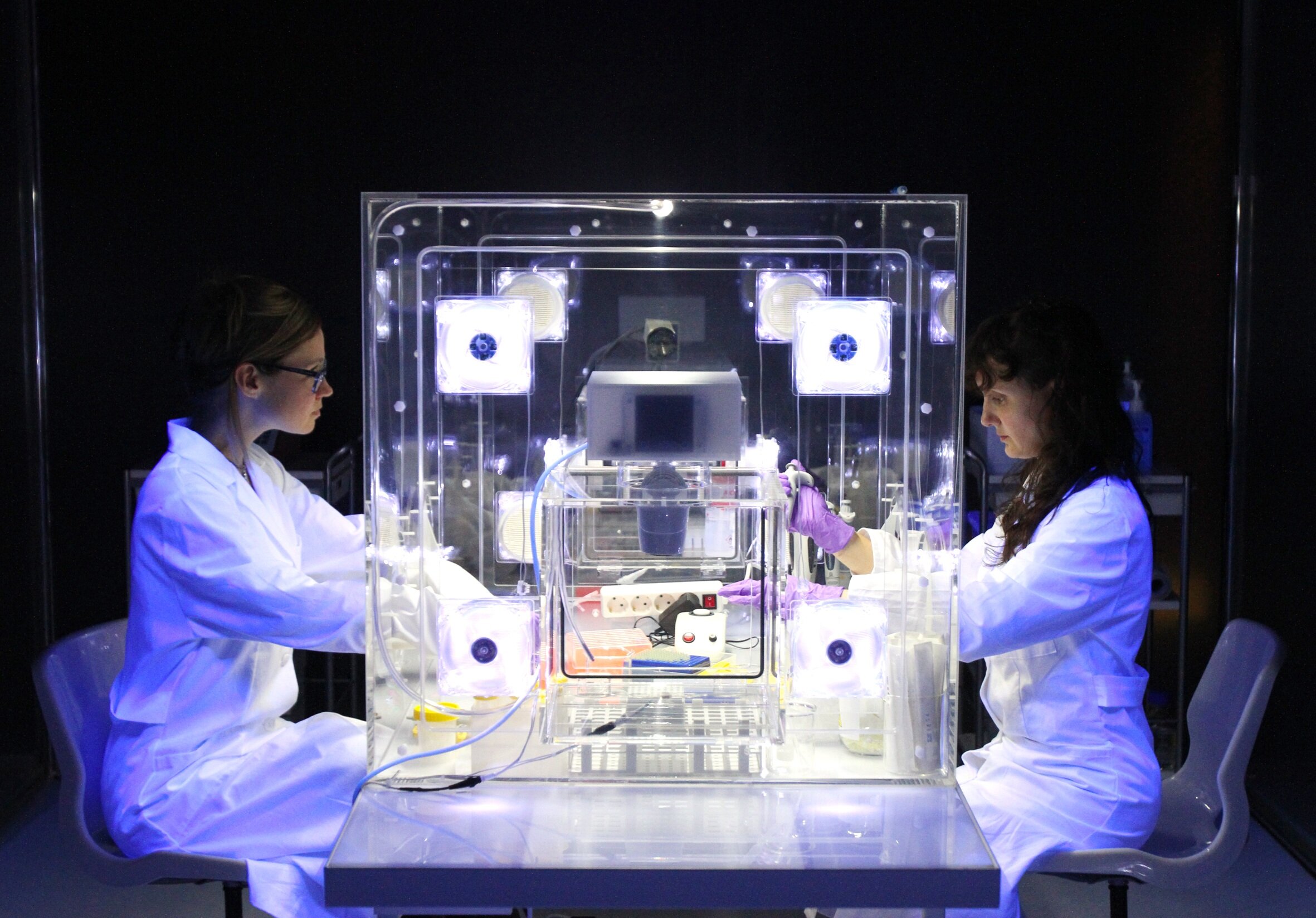
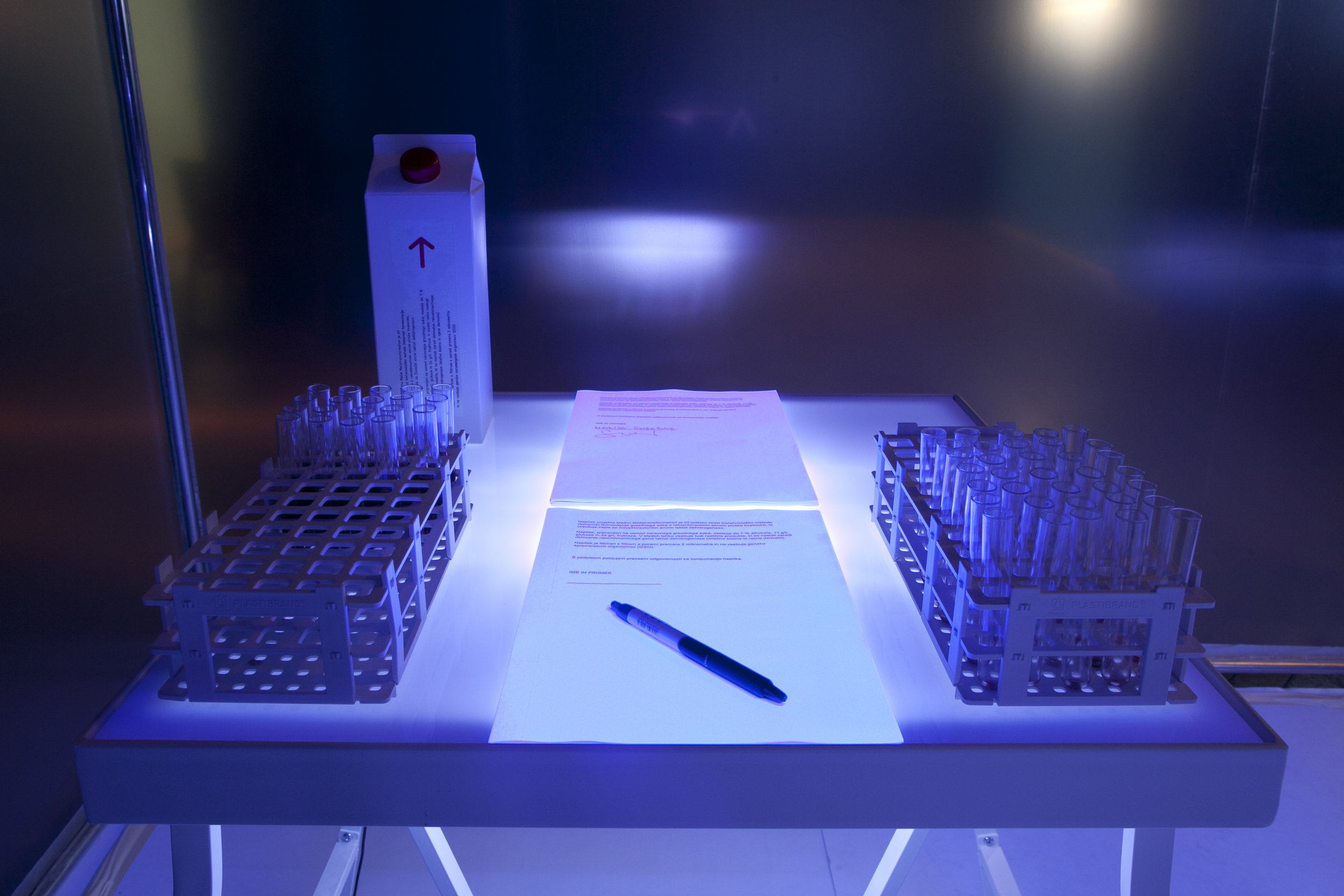
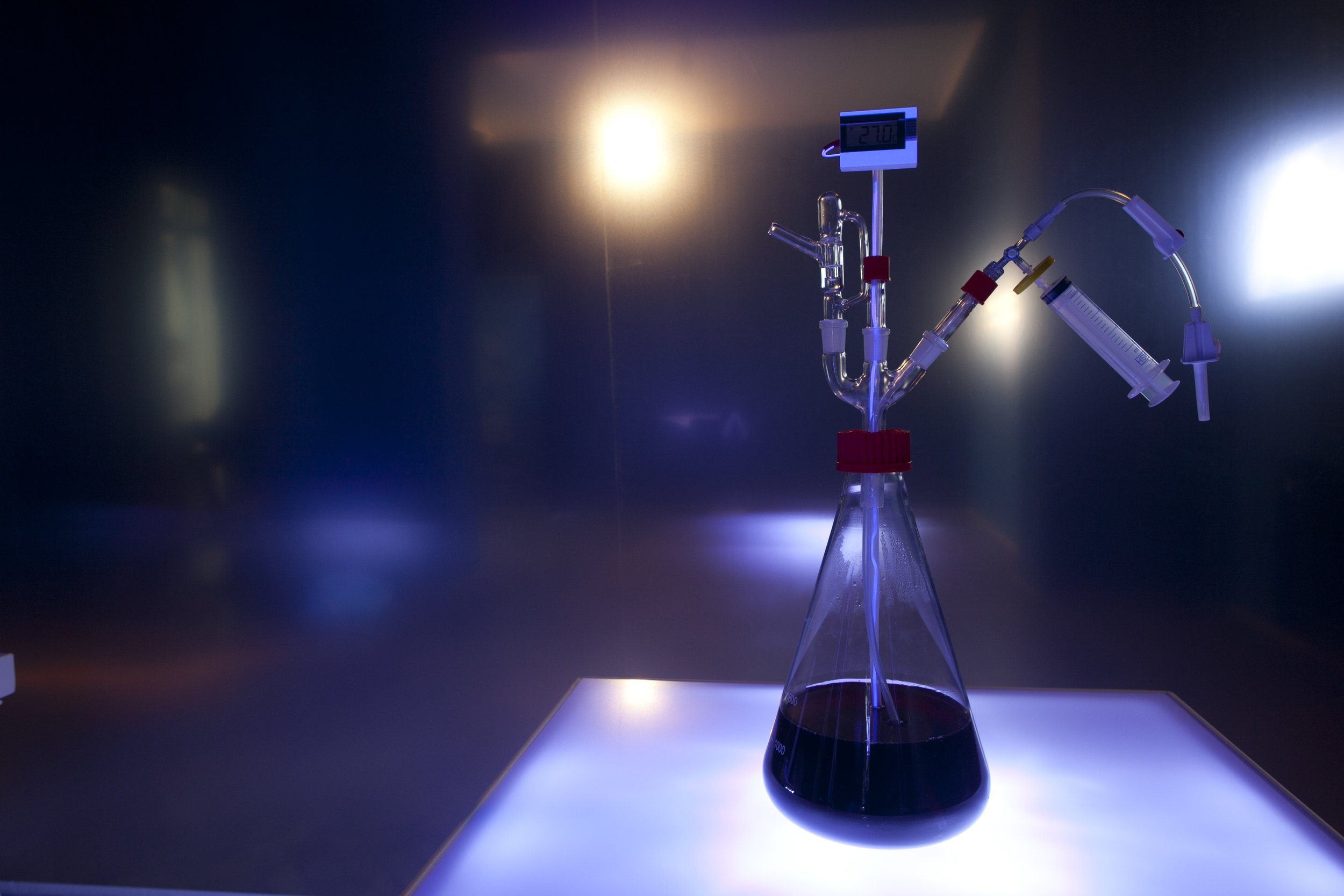
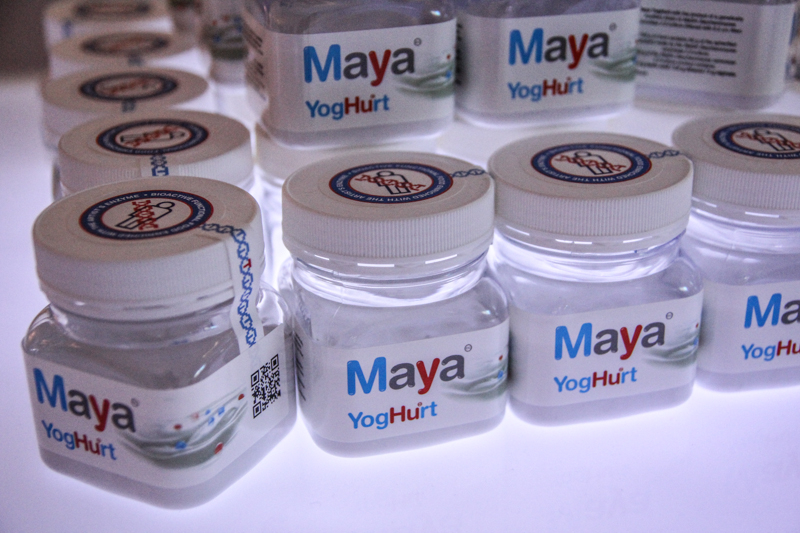
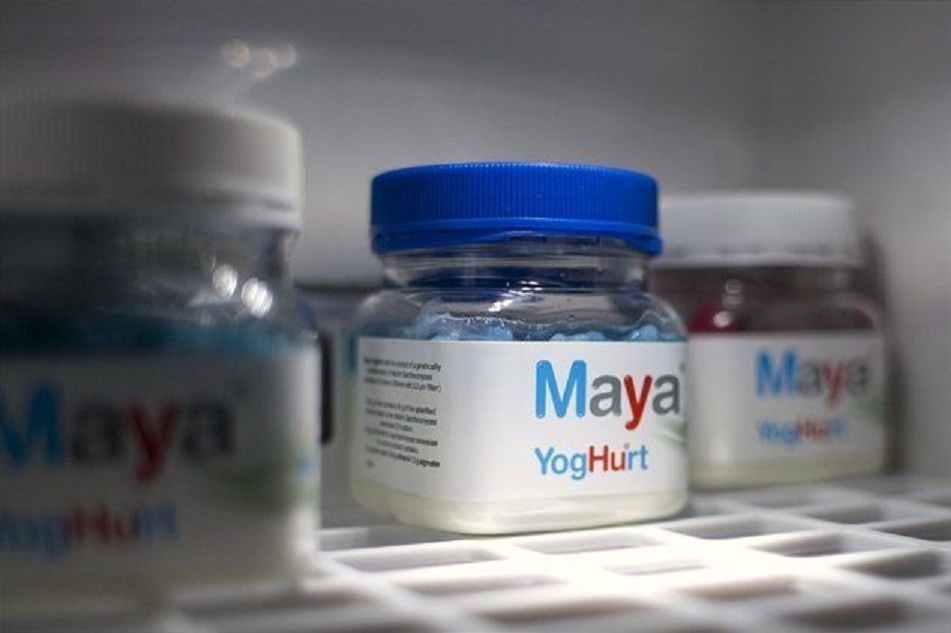
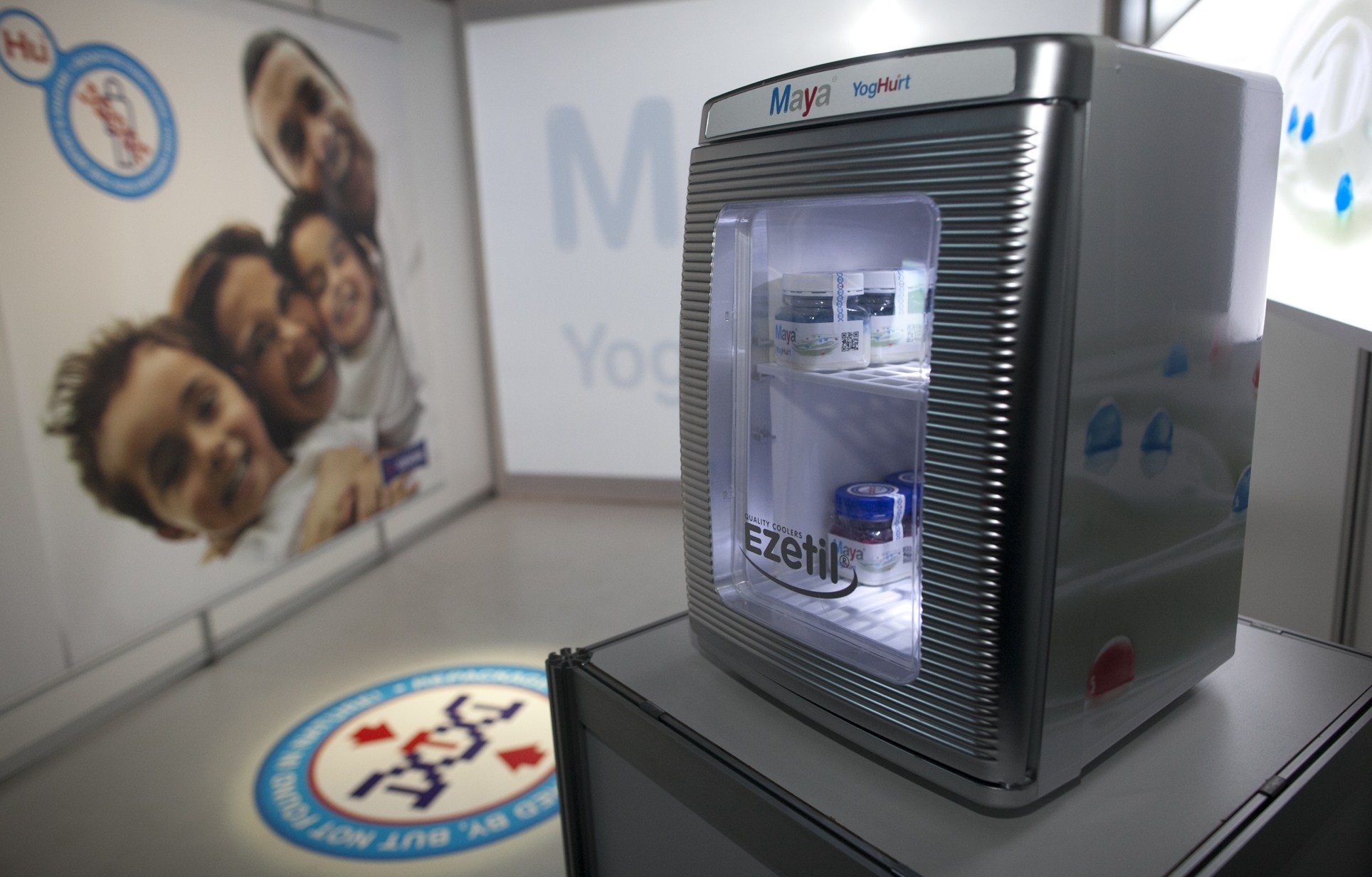
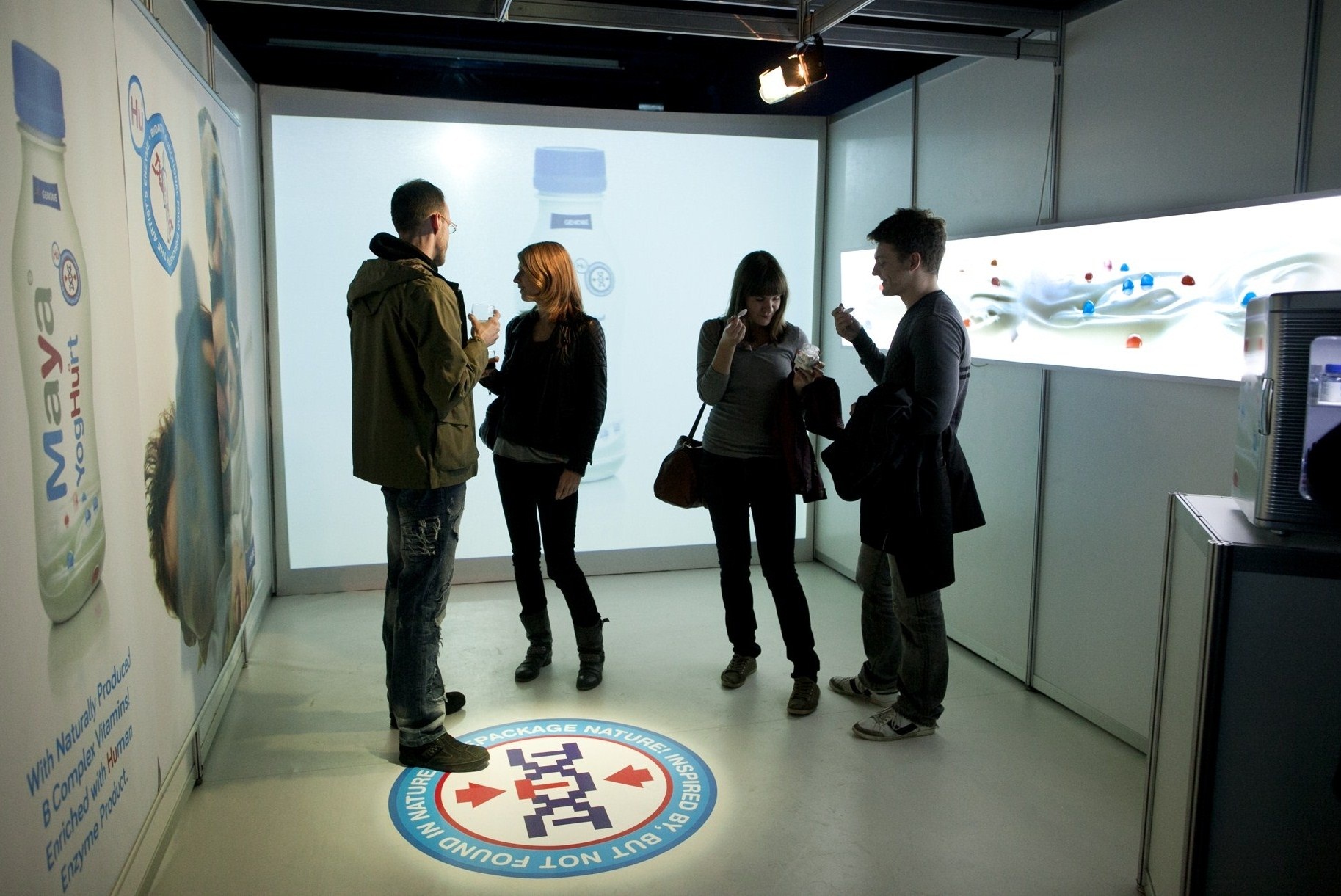
The Human Molecular Colonization Capacity project paraphrases a concept for the waste of productive forces which was explored by Marx, who established a connection between rising levels of accumulation of the capital and the fall of tendential rate of profit, related to the exploitation of time spent at labor – by new waves of technological inovation - which is shown by the genetically transformed microorganism producing lactic acid (as one of the most used additives in the contemporary food industry) after being syntheticaly designed with the code of the artist´s gene composed with the code of a yeast gene and transformed back into the same microorganism.
Not only are corporations actually using people to continue to maintain themselves in their own lives but this same people at the same time yearn for those same products! What has T.R. Malthus understood as the pressure of population on the means of production (which is why there are not enough food/money for all), Marx understood as a means of producing pressure on the population - this infinite desire of capital to continue to develop, no matter if that would include even (sublime) levels of cannibalism.




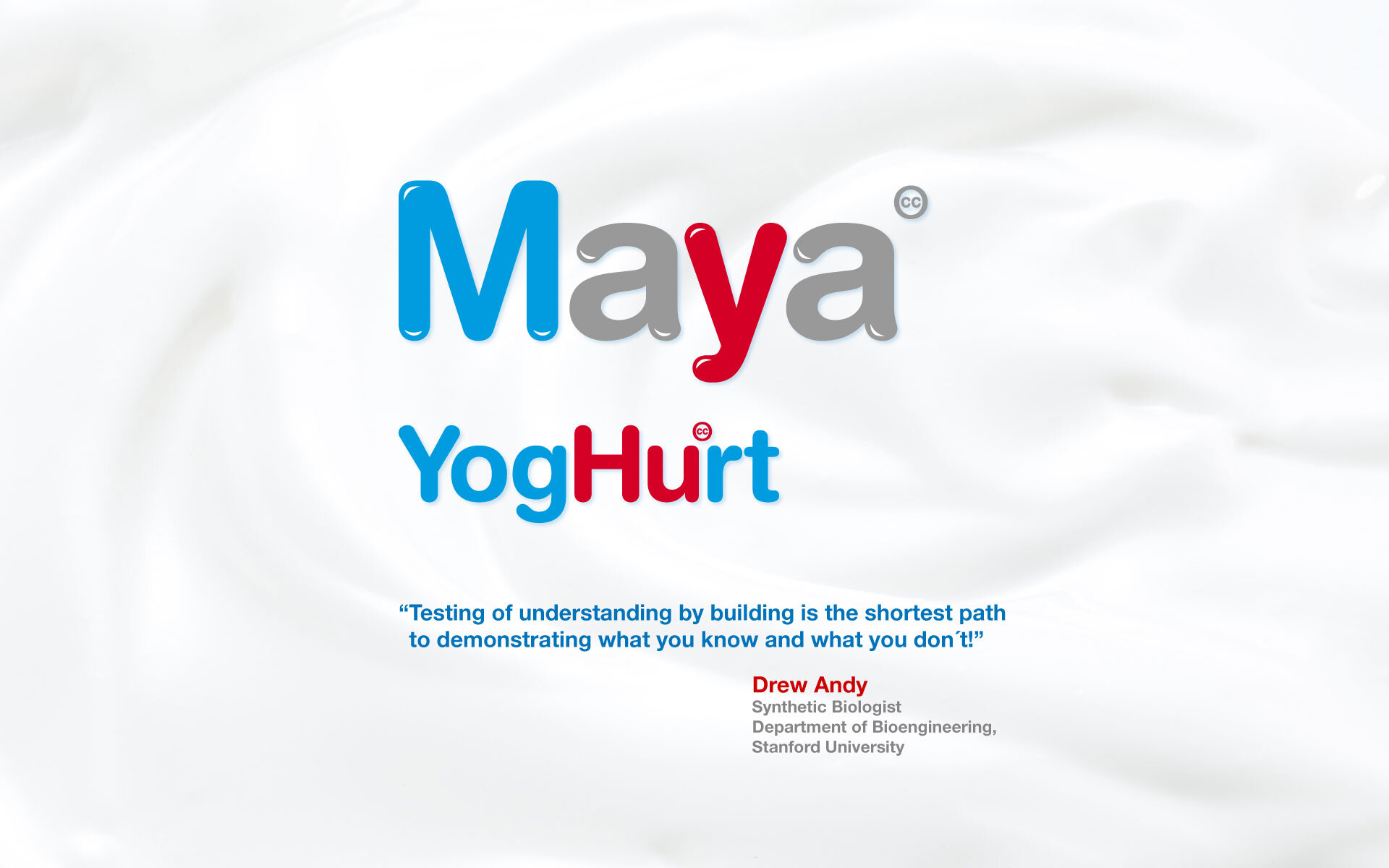


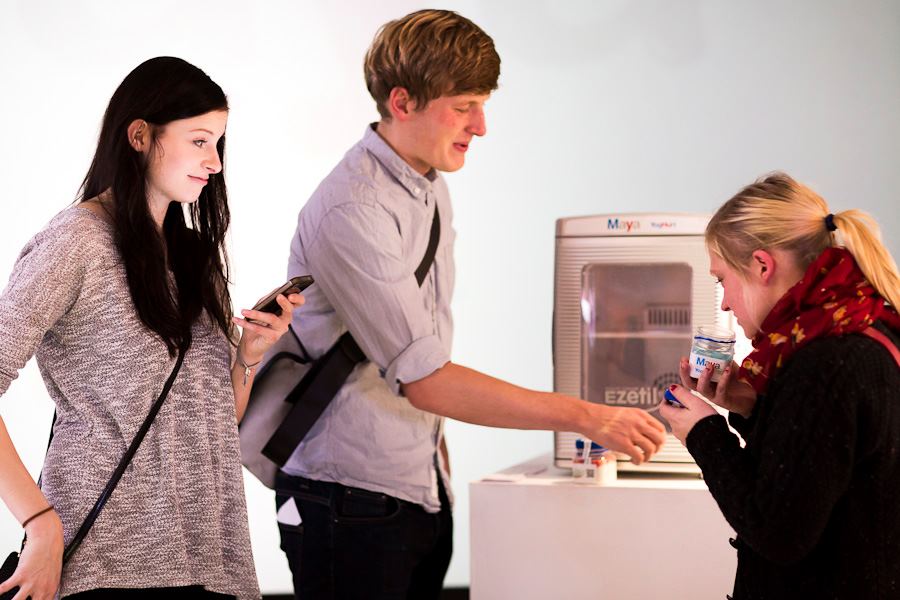
The project dwells on the food industry biotechnological production that is in its fina) form represented as a highly designed yogurt package, containing the product of an artist's enzyme, which is offered to the public to consume while at the same time the package is represented as a hybrid art readymade object exhibited in a gallery. The project stands as a social darwinism experience set paraphrased within the realm of industrial food chain process.

More info: Hu.M.C.C.booklet
Credits
Brand identity and web design: Atelje Balant
The project has been executed in cooperation with Institute of Biochemistry, Medical Faculty, University of Ljubljana, Slovenia
Co-worker at the filed of molecular biology: dr. Metka Lenassi
Co-worker at the field of molecular gastronomy: Dr. Tilen Konte
Co-worker at the field of biotechnology: Dr. Špela Petrič
Co worker at the field of biochemistry and laboratory biomedicine: Marko Žavbi, lab. biomed. engineer
Construction plan and map design: Andrej Strehovec
Special thanks: Dr. Ana Plemenitaš, Dr. Andrej Petrič, Dr. Zlata Luthar, Savica Soldat, Biotechnology Department / Ministry of Agriculture and the Environment / Republic of Slovenia - Dr. Martin Batič, Dr. Ruth Rupreht and Shu Lea Cheang, Janez Bratovž, Polonca Krajnc, Mojca Žavbi
Supported by Ministry of Education, Science, Culture and Sport / Republic of Slovenia and Municipality of Ljubljana / Slovenia
Production: Kapelica Gallery - Zavod K6/4 / Ljubljana / Slovenia (2012)